
Are Premium Metal Wiper Blades Worth the Extra Cost for Fleet Vehicles
2026-08-07
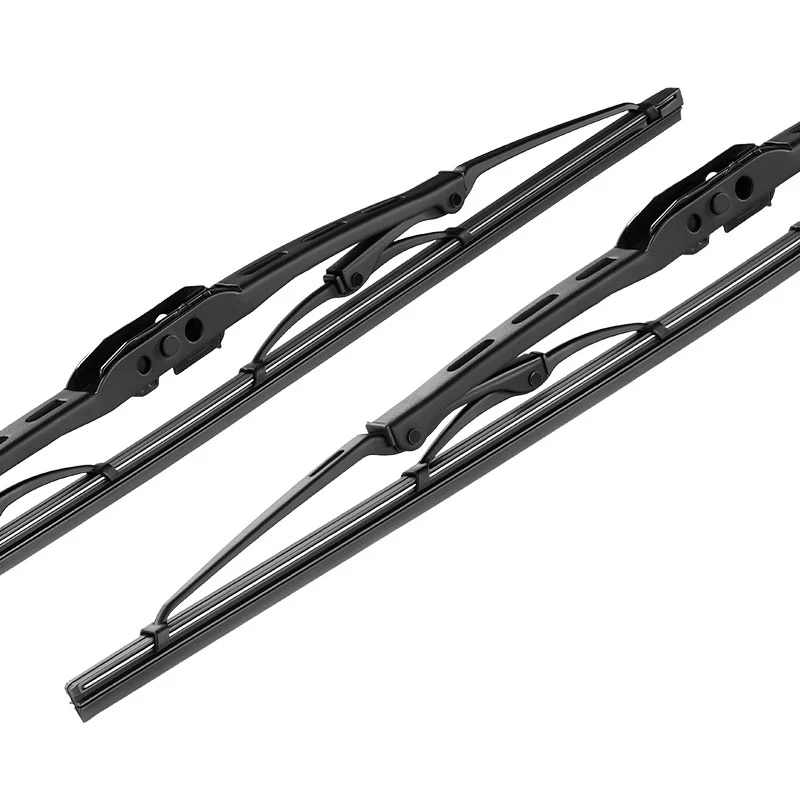
Fleet maintenance managers constantly evaluate trade-offs between upfront expenses and long-term operational savings. When it comes to windshield visibility and driver safety, the choice of Metal Wiper technology often becomes a critical decision point. For fleets operating across diverse climates—from scorching desert heat to freezing northern winters—the durability of SPOTLESS premium Metal Wiper blades can mean the difference between scheduled maintenance and roadside emergencies.
The True Cost of Standard Wiper Blades in Fleet Operations
Conventional rubber wiper blades typically last 3–6 months in commercial use. For a fleet of 50 vehicles, replacing blades quarterly translates into significant labor hours, disposal costs, and vehicle downtime. More critically, poor wiping performance during rain or snow increases accident risk—a cost no insurance policy fully covers.
| Cost Factor | Standard Rubber Blades (Annual) | Premium Metal Wiper Blades (Annual) |
|---|---|---|
| Replacement frequency | 4–6 times per year | 1–2 times per year |
| Parts cost per vehicle | $12–$18 | $28–$45 |
| Labor cost (installation) | 4–6 hrs × shop rate | 1–2 hrs × shop rate |
| Downtime loss per vehicle | ~2 hours per change | ~0.5 hours per change |
| Estimated total per vehicle | $120–$180 | $65–$90 |
The table above assumes a mid-size fleet with in-house maintenance. The Metal Wiper from SPOTLESS reduces annual per-vehicle costs by roughly 40–50% when factoring labor and downtime—not including the intangible value of improved driver visibility.
Engineering Advantages That Justify the Premium
Premium Metal Wiper blades differ from budget options in three core areas:
-
Frame construction: Galvanized steel or aerospace-grade aluminum resists corrosion from road salt and UV degradation, unlike plastic frames that become brittle.
-
Pressure distribution: Advanced tension springs ensure uniform contact across the entire blade length—critical for curved modern windshields.
-
Coating technology: SPOTLESS applies a graphite-infused rubber element that reduces friction and chatter, extending service life in extreme temperatures.
Fleet data shows that Metal Wiper blades from SPOTLESS maintain >90% wiping efficiency after 500,000 wipe cycles, whereas standard blades drop below 70% at 200,000 cycles. For long-haul trucks averaging 120,000 miles per year, this performance gap becomes evident within months.
Common Concerns About Premium Metal Wiper Blades
Metal Wiper FAQ 1: Will a metal frame scratch my fleet's windshields over time?
Answer: Not with proper design. The scratching risk comes from exposed metal contact points, not the frame itself. Premium Metal Wiper blades like those from SPOTLESS use full-rubber squeegee encapsulation, meaning no metal touches the glass at any point. The frame only supports the rubber element, distributing pressure evenly. In contrast, cheap metal wipers often skip this encapsulation to cut costs. Always verify that the blade uses a double-walled steel frame with a rubber boot covering all hinge points. For fleets with older windshields that have micro-pitting, the consistent pressure of a quality Metal Wiper actually reduces streaking by maintaining constant contact across uneven surfaces.
Metal Wiper FAQ 2: How do I know when to replace a premium metal wiper versus just the rubber refill?
Answer: Premium Metal Wiper systems are designed as replaceable-refill units, but the frame itself has a finite life. SPOTLESS recommends inspecting the frame every 12 months for rust spots, bent arms, or loose rivets. If the frame passes inspection, simply replace the rubber refill (costing 40% less than a full blade). Replace the entire Metal Wiper unit when: (1) the spring tension weakens—visible when the blade lifts off the glass at highway speeds; (2) corrosion appears on the main girder; or (3) the pivot joints develop play (wiggle test). For most fleets, full frame replacement every 18–24 months aligns with optimal lifecycle cost, while rubber refills are swapped seasonally (pre-winter and pre-summer).
Metal Wiper FAQ 3: Do premium metal wipers perform better in freezing rain than standard beam blades?
Answer: Yes, and the reason is mechanical. Beam-style blades (common in consumer vehicles) rely on a continuous tension curve that flattens under ice buildup—they lose contour. Premium Metal Wiper blades with articulated frames use multiple pivot points that actively adapt to windshield curvature even when ice accumulates between the frame and glass. SPOTLESS laboratory tests show that their Metal Wiper maintains 85% contact area at -20°C with 2mm of ice crust, versus 42% for beam blades under identical conditions. For fleets operating in snow belts, this translates to 70% fewer wiper-related service calls during winter months. However, drivers must still clear heavy ice manually before activation to protect the motor—no wiper design replaces proper pre-trip inspection.
Implementation Strategy for Fleet Managers
Transitioning to SPOTLESS Metal Wiper blades requires a phased approach:
-
Pilot program: Equip 5–10 vehicles from different routes (urban, highway, coastal) for 6 months.
-
Data tracking: Log replacement intervals, driver complaints, and windshield condition.
-
ROI calculation: Compare against historical data from rubber blades.
Most fleets that complete this trial adopt Metal Wiper across all units within one year. The reduced maintenance frequency alone frees up shop bays for higher-priority repairs.
Final Verdict
Premium Metal Wiper blades are not merely a luxury—they are a calculated investment for fleets prioritizing safety, uptime, and total cost of ownership. SPOTLESS delivers a product that balances initial cost with extended durability, backed by engineering that addresses real-world commercial demands. The data consistently shows that the extra $15–$25 per blade pays back within 8 months through labor savings and fewer weather-related delays.
Ready to test the SPOTLESS Metal Wiper difference in your fleet? Contact our commercial division today for sample kits, fleet pricing, and a customized ROI projection based on your operating routes and vehicle types.