

Article Summary: Vehicle inspection centers and automotive service providers need reliable testing equipment to evaluate vehicle performance, safety, and compliance. A 3-ton Speedometer Tester provides a professional solution for checking speedometer accuracy and related driving performance under controlled conditions. This article explains how this testing equipment works, why load capacity matters, how to select the right model, and how it helps solve common inspection challenges. With practical guidance from Anche, businesses can better understand the role of speedometer testing technology in modern vehicle inspection operations.
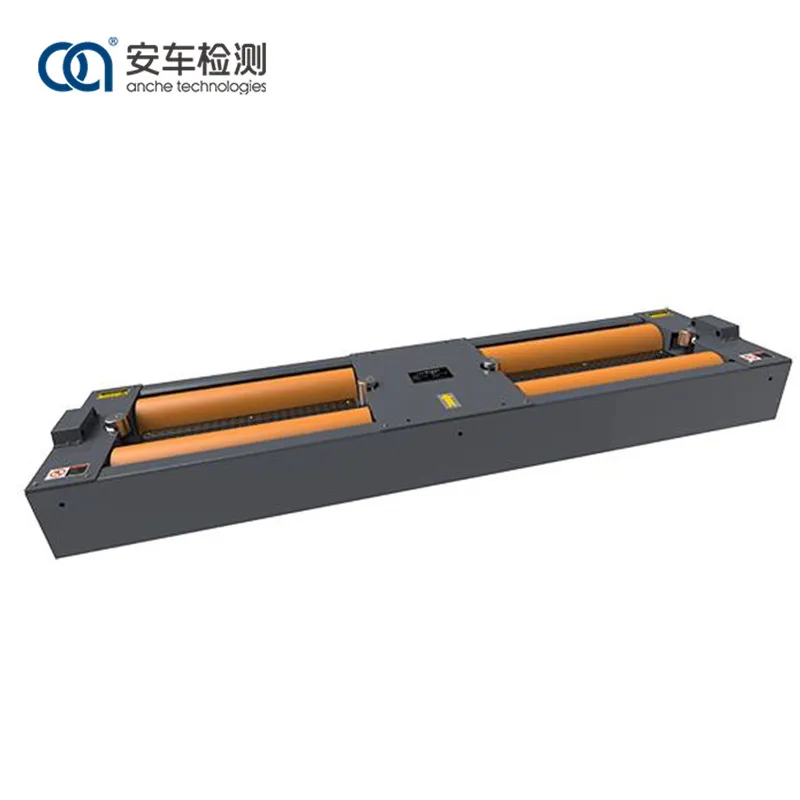
1. Understanding the 3-ton Speedometer Tester
A speedometer is one of the most important instruments in a vehicle because it provides drivers with essential information about traveling speed. If the displayed speed differs significantly from the actual vehicle speed, it may affect driving safety and regulatory compliance.
A 3-ton Speedometer Tester is designed to help inspection facilities measure speedometer performance under controlled testing conditions. The equipment simulates vehicle operation while supporting vehicles up to a specified load capacity, allowing technicians to evaluate whether the speed display corresponds correctly with actual operating speed.
For professional vehicle inspection stations, accuracy, repeatability, and operational efficiency are critical. Using manual methods or unsuitable equipment can lead to inconsistent results, longer inspection times, and difficulties meeting testing requirements.
Why load capacity matters
The 3-ton capacity specification indicates that the tester is designed for vehicles within a certain weight range. Selecting equipment with suitable capacity helps ensure stable operation and protects both the testing system and the vehicle during inspection.
- Supports reliable testing for compatible passenger and commercial vehicles.
- Provides stable mechanical performance during speed simulation.
- Helps inspection technicians obtain consistent measurement results.
- Reduces risks caused by using equipment beyond its designed capability.
2. How a Speedometer Tester Works
A speedometer tester creates a controlled environment where vehicle wheels can rotate while the system measures actual speed. The tester compares the measured wheel speed with the speed displayed on the vehicle dashboard.
During testing, the vehicle is positioned on the tester rollers or testing platform. As the system operates, sensors collect speed-related data and provide information that allows technicians to evaluate speedometer accuracy.
Main working components
| Component | Function |
|---|---|
| Roller System | Allows vehicle wheels to rotate safely during testing. |
| Sensors | Collect actual speed data and transmit measurement information. |
| Control System | Processes test data and displays results. |
| Safety Structure | Provides stable support during vehicle testing. |
The testing process helps inspectors identify inaccurate speed displays that may result from mechanical wear, electronic issues, tire changes, or other vehicle modifications.
3. Key Benefits for Vehicle Inspection
Improving inspection accuracy
One of the biggest challenges in vehicle inspection is obtaining dependable measurement results. A professional speedometer tester provides a controlled testing environment, reducing uncertainty caused by road conditions, human judgment, or inconsistent testing methods.
Increasing inspection efficiency
Vehicle inspection centers often process many vehicles every day. Efficient equipment helps technicians complete tests faster while maintaining reliable results.
- Reduces manual testing procedures.
- Creates repeatable testing conditions.
- Improves workflow organization.
- Supports professional inspection standards.
Supporting vehicle safety management
An inaccurate speedometer can affect driver behavior and road safety. Regular testing helps identify potential problems before they create risks during daily vehicle operation.
Helping businesses provide professional services
For inspection companies, garages, and testing facilities, advanced equipment demonstrates technical capability and improves customer confidence.
4. How to Select the Right 3-ton Speedometer Tester
Choosing suitable inspection equipment requires more than checking the product name. Buyers should evaluate technical requirements, vehicle compatibility, installation conditions, and long-term service needs.
| Selection Factor | Important Considerations |
|---|---|
| Load Capacity | Confirm that the tester supports the expected vehicle weight range. |
| Measurement Accuracy | Check sensor performance and testing precision. |
| Operating Environment | Consider workshop space, installation conditions, and daily workload. |
| Control System | Evaluate display functions, data management, and user operation. |
| After-sales Support | Ensure technical assistance and spare parts availability. |
Consider your inspection requirements
Different facilities have different testing demands. A small repair workshop may prioritize compact equipment and simple operation, while a large inspection center may require higher efficiency, automation features, and stronger data management capabilities.
Working with an experienced supplier such as Anche helps buyers identify suitable configurations according to their actual inspection environment.
5. Installation and Operation Considerations
Proper installation directly affects testing accuracy and equipment service life. Before operation, users should confirm that the installation area meets the equipment requirements.
Important installation points
- Prepare a stable and level installation surface.
- Ensure enough space for vehicle positioning and operation.
- Follow manufacturer installation instructions carefully.
- Check electrical connections and safety functions before use.
- Train operators on correct testing procedures.
During operation
Operators should position vehicles correctly, follow the recommended testing process, and monitor system feedback during operation. Incorrect positioning or improper use may affect measurement results.
6. Maintenance Tips for Long-Term Performance
Regular maintenance helps maintain testing accuracy and extends equipment service life. Professional inspection equipment requires attention to mechanical components, sensors, and control systems.
| Maintenance Item | Recommended Action |
|---|---|
| Rollers | Inspect surfaces and check for abnormal wear. |
| Sensors | Verify measurement stability and cleanliness. |
| Electrical System | Check connections and control components. |
| Software System | Keep operating programs updated when required. |
Creating a regular maintenance schedule helps prevent unexpected downtime and ensures inspection results remain dependable.
7. Frequently Asked Questions
Q1: What is a 3-ton Speedometer Tester used for?
It is used to test vehicle speedometer accuracy by comparing displayed speed with actual measured wheel speed under controlled conditions.
Q2: Why is testing speedometer accuracy important?
An inaccurate speedometer may affect driving safety and vehicle compliance. Testing helps identify measurement errors caused by vehicle conditions or component changes.
Q3: What vehicles can a 3-ton Speedometer Tester support?
The supported vehicles depend on the specific equipment design. Users should confirm the rated capacity and technical specifications before purchase.
Q4: How often should the tester be maintained?
Maintenance frequency depends on usage volume and working conditions. Regular inspection of mechanical and electronic components is recommended.
Q5: How can I choose a reliable speedometer testing solution?
Evaluate capacity, accuracy, operating requirements, supplier experience, and technical support before making a decision.
Improve Vehicle Testing Efficiency with Anche
A reliable 3-ton Speedometer Tester helps inspection facilities achieve accurate measurements, improve workflow efficiency, and provide professional vehicle testing services. Choosing the right equipment requires careful consideration of vehicle types, testing requirements, and long-term operational needs.
Anche provides professional automotive testing solutions designed to support modern inspection requirements. If you are looking for suitable equipment or need more technical information about speedometer testing solutions, please contact us to discuss your project requirements and find the right solution.