

How Can a PU Core Refrigerated Truck Body Improve Cold Chain Efficiency and Reduce Operating Costs?
2026-06-10
Article Summary
Maintaining precise temperature control during transportation is one of the biggest challenges in the cold chain industry. Product spoilage, excessive energy consumption, condensation issues, and vehicle weight limitations can significantly affect profitability. A PU Core Refrigerated Truck Body offers an advanced insulation solution that helps logistics operators preserve cargo quality, improve fuel efficiency, and enhance operational reliability. This article explores how polyurethane-core refrigerated truck bodies work, their advantages, applications, selection criteria, and long-term business benefits.
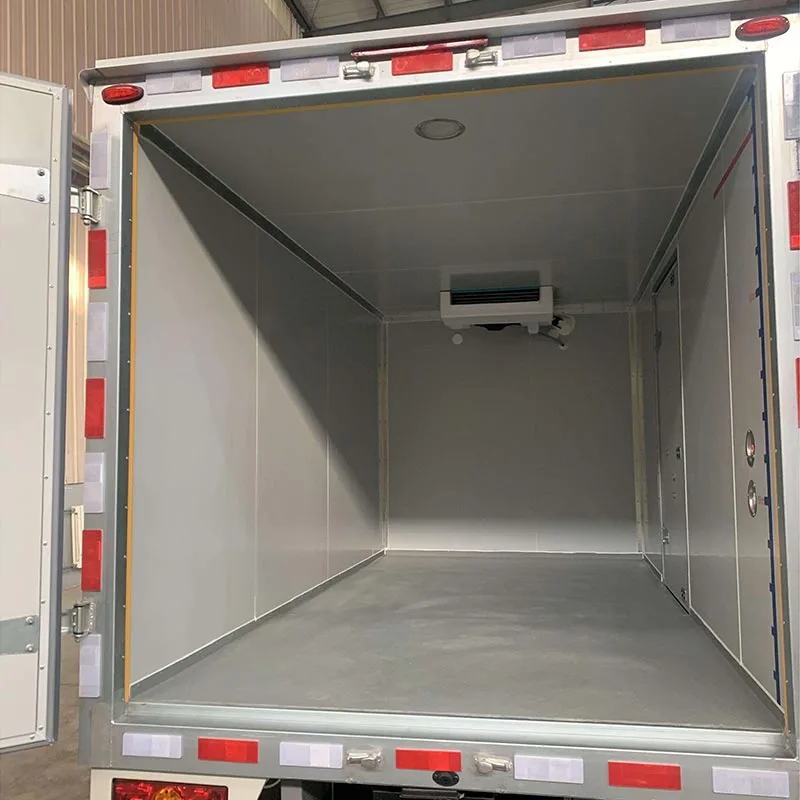
Table of Contents
- Why Refrigerated Truck Body Performance Matters
- What Is a PU Core Refrigerated Truck Body?
- Key Benefits of PU Core Refrigerated Truck Bodies
- Comparison with Traditional Insulation Materials
- Common Industry Applications
- How to Choose the Right Refrigerated Truck Body
- Maintenance Tips for Long-Term Performance
- Future Trends in Refrigerated Transportation
- Frequently Asked Questions
- Conclusion
Why Refrigerated Truck Body Performance Matters
The global demand for temperature-sensitive transportation continues to grow due to increasing consumption of fresh food, frozen products, pharmaceuticals, and specialty chemicals. While refrigeration units play a vital role in maintaining cargo temperature, the truck body itself determines how effectively cold air is retained.
Poor insulation can lead to:
- Higher fuel consumption
- Increased refrigeration workload
- Frequent temperature fluctuations
- Product spoilage and waste
- Reduced equipment lifespan
- Higher maintenance costs
For fleet operators and logistics providers, investing in a high-quality refrigerated truck body is not simply an equipment decision—it directly impacts profitability, customer satisfaction, and regulatory compliance.
What Is a PU Core Refrigerated Truck Body?
A PU Core Refrigerated Truck Body is a specialized insulated cargo body constructed using polyurethane (PU) foam as the core insulation material. The PU core is typically sandwiched between durable inner and outer composite panels, creating a lightweight yet highly efficient thermal barrier.
Polyurethane foam is widely recognized for its excellent insulation properties, low thermal conductivity, and structural strength. When integrated into refrigerated truck bodies, it helps maintain stable internal temperatures even under extreme external weather conditions.
A typical PU core refrigerated truck body consists of:
- Exterior composite or fiberglass reinforced panels
- High-density polyurethane insulation core
- Reinforced floor structure
- Insulated rear and side doors
- Sealed joints and thermal bridges minimization
- Corrosion-resistant internal surfaces
Key Benefits of PU Core Refrigerated Truck Bodies
Superior Thermal Insulation
The primary advantage of PU insulation is its outstanding thermal resistance. Compared with many traditional insulation materials, polyurethane foam delivers superior temperature retention with thinner wall construction.
This allows operators to:
- Maintain stable temperatures for longer periods
- Reduce refrigeration system runtime
- Improve cold chain reliability
- Minimize temperature excursions during delivery
Lower Energy Consumption
Because the insulation reduces heat transfer, refrigeration units require less energy to maintain target temperatures. This contributes to lower fuel consumption and reduced operating expenses throughout the vehicle's service life.
Lightweight Construction
PU foam offers an excellent strength-to-weight ratio. The lightweight design enables operators to maximize payload capacity without exceeding vehicle weight regulations.
Benefits include:
- Higher cargo volume
- Improved fuel economy
- Reduced tire wear
- Better vehicle handling
Excellent Structural Strength
The sandwich panel construction creates a rigid body structure capable of withstanding demanding transportation environments. This enhances durability while reducing vibration-related damage to cargo.
Moisture Resistance
Polyurethane foam has a closed-cell structure that helps resist moisture penetration. This minimizes condensation issues and protects insulation performance over time.
Long Service Life
A properly manufactured PU Core Refrigerated Truck Body can provide years of dependable service with minimal degradation in thermal performance.
Comparison with Traditional Insulation Materials
| Feature | PU Core | Polystyrene | Mineral Wool |
|---|---|---|---|
| Thermal Insulation | Excellent | Good | Moderate |
| Weight | Lightweight | Lightweight | Heavy |
| Moisture Resistance | Excellent | Moderate | Lower |
| Structural Strength | High | Moderate | Low |
| Durability | Excellent | Good | Moderate |
| Energy Efficiency | Excellent | Good | Moderate |
This comparison demonstrates why polyurethane insulation has become a preferred choice for modern refrigerated transportation applications.
Common Industry Applications
PU Core Refrigerated Truck Bodies are used across numerous industries requiring temperature-controlled logistics.
Food Distribution
- Fresh fruits and vegetables
- Dairy products
- Frozen foods
- Seafood
- Meat products
- Prepared meals
Pharmaceutical Logistics
Many medicines and vaccines require strict temperature control during transportation. Stable thermal performance helps ensure product integrity throughout the supply chain.
Floral Transportation
Flowers and plants are highly sensitive to temperature fluctuations. Proper insulation extends freshness and market value.
Chemical Products
Certain industrial and specialty chemicals require controlled transportation environments to maintain stability and safety.
How to Choose the Right Refrigerated Truck Body
Selecting the appropriate refrigerated truck body involves evaluating multiple factors beyond insulation thickness alone.
Consider Temperature Requirements
Different cargo categories require different temperature ranges:
| Cargo Type | Typical Temperature Range |
|---|---|
| Frozen Food | -18°C to -25°C |
| Fresh Produce | 0°C to 8°C |
| Dairy Products | 2°C to 6°C |
| Pharmaceuticals | 2°C to 8°C |
Evaluate Panel Construction Quality
Look for:
- Uniform PU foam density
- Strong panel bonding
- High-quality composite skins
- Corrosion-resistant materials
- Reliable sealing systems
Check Weight Optimization
A lighter truck body allows more payload while maintaining thermal efficiency. This directly impacts transportation economics.
Assess Customization Options
Different logistics operations may require:
- Multi-temperature compartments
- Side access doors
- Special flooring systems
- Custom dimensions
- Additional cargo securing systems
Maintenance Tips for Long-Term Performance
Proper maintenance helps preserve insulation performance and vehicle reliability.
- Inspect door seals regularly
- Repair panel damage promptly
- Clean drainage systems frequently
- Check refrigeration equipment performance
- Monitor internal temperature consistency
- Inspect floor structures for wear
- Verify body integrity after impacts
Preventive maintenance is significantly more cost-effective than major repairs resulting from neglected insulation damage.
Future Trends in Refrigerated Transportation
The refrigerated transportation industry is evolving rapidly. Advanced PU Core Refrigerated Truck Bodies are increasingly being integrated with:
- Smart temperature monitoring systems
- Real-time fleet management platforms
- Lightweight composite technologies
- Energy-efficient refrigeration units
- Sustainable transportation solutions
- Predictive maintenance systems
As customer expectations and regulatory standards continue to increase, highly efficient insulated truck bodies will become even more critical for competitive cold chain operations.
Frequently Asked Questions
Q1: Why is polyurethane preferred for refrigerated truck insulation?
Polyurethane provides excellent thermal insulation, low thermal conductivity, moisture resistance, and structural strength while remaining lightweight.
Q2: Can a PU Core Refrigerated Truck Body reduce fuel consumption?
Yes. Better insulation reduces the workload on refrigeration units, helping lower overall fuel and energy consumption.
Q3: How long does a PU insulated truck body typically last?
With proper maintenance and quality manufacturing, a PU insulated body can deliver reliable performance for many years.
Q4: Is a PU Core Refrigerated Truck Body suitable for pharmaceutical transportation?
Yes. Its excellent thermal stability makes it suitable for transporting temperature-sensitive pharmaceutical products.
Q5: Can refrigerated truck bodies be customized?
Absolutely. Custom dimensions, compartment layouts, doors, flooring systems, and temperature zones can be designed according to operational requirements.
Conclusion
A PU Core Refrigerated Truck Body is a strategic investment for businesses involved in temperature-controlled transportation. By combining superior insulation performance, lightweight construction, structural durability, and long-term energy savings, it helps operators improve cold chain reliability while reducing operational costs.
As a professional manufacturer of advanced transportation solutions, Chongqing Wholechaintech Automotive Components Co., Ltd. provides high-quality PU Core Refrigerated Truck Bodies designed to meet the demanding requirements of modern cold chain logistics. Whether you transport frozen food, fresh produce, pharmaceuticals, or specialty products, the right insulated truck body can significantly enhance efficiency and cargo protection.
Ready to upgrade your refrigerated transportation capabilities? Contact us today to discuss your project requirements and discover how Chongqing Wholechaintech Automotive Components Co., Ltd. can provide customized PU Core Refrigerated Truck Body solutions that maximize performance, reliability, and long-term value for your business.