
How Does an Automobile Rear Bumper Assembly Improve Vehicle Safety and Performance?
2026-06-10
Modern vehicles are designed with safety, durability, and appearance in mind. Among the many structural components that contribute to these goals, the Automobile Rear Bumper Assembly plays a critical role. While many drivers view the rear bumper as a simple exterior part, it is actually an engineered system designed to absorb impact energy, protect vehicle structures, reduce repair costs, and enhance overall vehicle aesthetics.
Whether you are an automotive manufacturer, distributor, repair professional, or vehicle owner, understanding how a rear bumper assembly functions can help you make better purchasing and maintenance decisions. This article explores the structure, benefits, applications, and selection criteria of automobile rear bumper assemblies while addressing common customer concerns.
Article Summary
An Automobile Rear Bumper Assembly is a vital safety and protection system that helps minimize collision damage, protects passengers and vehicle components, and contributes to a vehicle's appearance. This guide explains its components, working principles, materials, advantages, manufacturing processes, and factors to consider when choosing the right assembly for different vehicle applications.
Table of Contents
- What Is an Automobile Rear Bumper Assembly?
- Why Is a Rear Bumper Assembly Important?
- Main Components of an Automobile Rear Bumper Assembly
- How Does a Rear Bumper Assembly Work?
- Common Materials Used in Rear Bumper Assemblies
- Key Benefits of High-Quality Rear Bumper Assemblies
- Applications Across Different Vehicle Types
- Manufacturing and Quality Control Process
- How to Choose the Right Rear Bumper Assembly
- Maintenance and Replacement Tips
- OEM vs Aftermarket Rear Bumper Assemblies
- Frequently Asked Questions
- Conclusion
What Is an Automobile Rear Bumper Assembly?
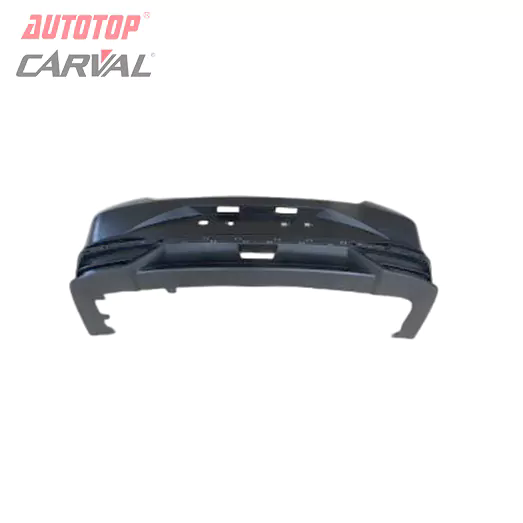
An Automobile Rear Bumper Assembly is a complete protective system mounted at the rear of a vehicle. It is designed to absorb and distribute impact forces during low-speed and moderate collisions while protecting critical vehicle structures such as the trunk, rear body panels, lighting systems, and chassis components.
Unlike a simple bumper cover, a complete assembly typically includes multiple structural and energy-absorbing elements that work together to reduce damage and improve occupant safety.
The assembly is engineered to meet vehicle-specific requirements, ensuring proper fitment, performance, and visual integration with the vehicle's exterior design.
Why Is a Rear Bumper Assembly Important?
Many vehicle owners underestimate the importance of a rear bumper until an accident occurs. However, the rear bumper assembly serves several essential functions:
- Absorbs impact energy during collisions
- Protects rear structural components
- Reduces repair and maintenance costs
- Enhances passenger safety
- Improves vehicle appearance
- Supports parking sensors and safety systems
- Maintains vehicle resale value
Without an effective rear bumper assembly, even minor collisions could result in costly structural damage and extended vehicle downtime.
Main Components of an Automobile Rear Bumper Assembly
A complete rear bumper assembly consists of several integrated components.
| Component | Function |
|---|---|
| Bumper Cover | Provides exterior appearance and minor impact protection |
| Reinforcement Beam | Distributes collision forces across the vehicle structure |
| Energy Absorber | Absorbs impact energy during collisions |
| Mounting Brackets | Secure the assembly to the vehicle body |
| Sensor Openings | Accommodate parking sensors and driver-assistance systems |
| Reflectors | Improve visibility and road safety |
Each component contributes to the overall performance and durability of the rear bumper system.
How Does a Rear Bumper Assembly Work?
When a collision occurs, the rear bumper assembly functions as the first line of defense. The process typically follows these stages:
- Initial impact is absorbed by the bumper cover.
- The energy absorber compresses to reduce impact force.
- The reinforcement beam distributes the remaining force.
- Mounting structures transfer energy away from critical vehicle components.
- The vehicle structure experiences reduced damage.
This controlled energy management process helps reduce repair expenses and enhances passenger protection.
Common Materials Used in Rear Bumper Assemblies
Material selection directly affects performance, weight, durability, and cost.
| Material | Advantages |
|---|---|
| Polypropylene (PP) | Lightweight, flexible, cost-effective |
| ABS Plastic | Excellent impact resistance and finish quality |
| High-Strength Steel | Superior structural support |
| Aluminum Alloy | Reduced weight with strong performance |
| Composite Materials | Enhanced durability and weight reduction |
Advanced vehicle manufacturers increasingly utilize lightweight materials to improve fuel efficiency while maintaining safety standards.
Key Benefits of High-Quality Rear Bumper Assemblies
Investing in a high-quality Automobile Rear Bumper Assembly provides numerous advantages.
- Enhanced Safety: Better protection during rear-end collisions.
- Lower Repair Costs: Reduced damage to expensive vehicle components.
- Improved Durability: Longer service life under harsh conditions.
- Better Vehicle Appearance: Seamless integration with vehicle styling.
- Reliable Sensor Compatibility: Supports modern parking and driver-assistance systems.
- Corrosion Resistance: Improved performance in challenging environments.
- Weight Optimization: Supports vehicle efficiency goals.
For fleet operators and vehicle manufacturers, these benefits can translate into significant long-term savings.
Applications Across Different Vehicle Types
Rear bumper assemblies are widely used across various vehicle categories.
| Vehicle Type | Application Requirements |
|---|---|
| Passenger Cars | Safety, aesthetics, lightweight design |
| SUVs | Enhanced impact protection and durability |
| Pickup Trucks | Heavy-duty structural support |
| Electric Vehicles | Lightweight construction and sensor integration |
| Commercial Vehicles | High durability and frequent-use resistance |
Different vehicle segments require customized bumper assembly solutions to meet unique operational demands.
Manufacturing and Quality Control Process
Reliable rear bumper assemblies are produced through rigorous manufacturing and inspection procedures.
The process generally includes:
- Material selection and testing
- Precision mold development
- Injection molding or metal forming
- Surface treatment and painting
- Component assembly
- Dimensional verification
- Impact resistance testing
- Final quality inspection
At AUTOTOP., strict production standards help ensure consistent product quality, accurate fitment, and dependable performance for automotive customers worldwide.
How to Choose the Right Rear Bumper Assembly
Selecting the appropriate rear bumper assembly requires evaluating several important factors.
- Vehicle make and model compatibility
- Material quality and durability
- Impact resistance requirements
- Sensor and accessory integration
- Surface finish quality
- Compliance with industry standards
- Supplier manufacturing capability
- Long-term replacement support
Working with an experienced supplier can help reduce compatibility issues and improve procurement efficiency.
Maintenance and Replacement Tips
Proper maintenance can extend the service life of a rear bumper assembly.
- Inspect for cracks and deformation regularly.
- Check mounting points after collisions.
- Keep sensor openings clean and unobstructed.
- Repair minor damage promptly.
- Replace severely damaged components immediately.
- Use compatible replacement parts for optimal performance.
Routine inspections can help identify issues before they become costly repairs.
OEM vs Aftermarket Rear Bumper Assemblies
| Factor | OEM Assembly | Aftermarket Assembly |
|---|---|---|
| Fitment Accuracy | Excellent | Varies by supplier |
| Cost | Higher | More economical |
| Availability | Model dependent | Widely available |
| Customization | Limited | More options available |
| Lead Time | May be longer | Often faster |
The best choice depends on budget, vehicle requirements, and desired performance outcomes.
Frequently Asked Questions
Q1: What is the primary purpose of an Automobile Rear Bumper Assembly?
Its primary purpose is to absorb impact energy, protect vehicle structures, and improve passenger safety during collisions.
Q2: Can a damaged rear bumper affect vehicle safety?
Yes. Structural damage may reduce impact absorption capability and compromise safety performance.
Q3: Are lightweight bumper assemblies as strong as traditional designs?
Modern lightweight materials are engineered to provide excellent strength while reducing overall vehicle weight.
Q4: How often should a rear bumper assembly be inspected?
Regular inspections are recommended during routine vehicle maintenance and after any collision.
Q5: Can rear bumper assemblies accommodate parking sensors?
Yes. Most modern assemblies are designed to integrate parking sensors, cameras, and advanced driver-assistance systems.
Q6: Why choose a professional supplier?
Professional suppliers provide consistent quality, reliable fitment, technical expertise, and long-term support.
Conclusion
The Automobile Rear Bumper Assembly is far more than a decorative exterior component. It serves as a crucial safety system that protects vehicle occupants, minimizes collision damage, supports modern vehicle technologies, and enhances overall vehicle value.
As vehicle designs continue to evolve, the demand for high-performance, lightweight, and durable rear bumper assemblies will continue to grow. Choosing a trusted manufacturing partner ensures reliable quality, consistent performance, and long-term value.
AUTOTOP. is committed to providing professionally engineered Automobile Rear Bumper Assembly solutions that meet the demanding requirements of global automotive customers. Whether you are seeking OEM support, aftermarket solutions, or customized development services, our experienced team is ready to help. Contact us today to discuss your project requirements and discover how AUTOTOP. can provide the right rear bumper assembly solution for your business.