
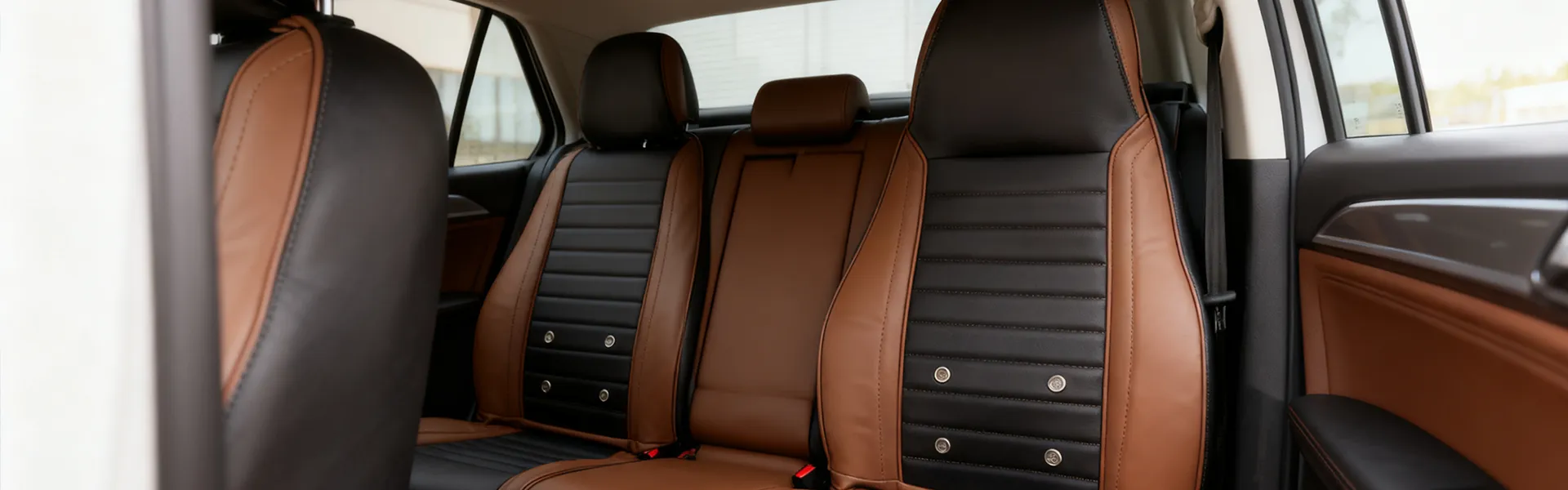
How Does the Electric Passenger Car's Quiet Cabin Enhance Driving Comfort?
2026-09-04
If you have ever stepped out of a car after a two-hour drive and felt completely drained—even though you did nothing physically demanding—you have experienced the hidden cost of noise. It is called the "cognitive load" of continuous low-frequency sound. The human brain works overtime to filter out engine noise, tire rumble, and wind buffeting, leaving you mentally exhausted. This guide explains why the quiet cabin of an Electric Passenger Car is not just a luxury feature, but a fundamental contributor to driver well-being.
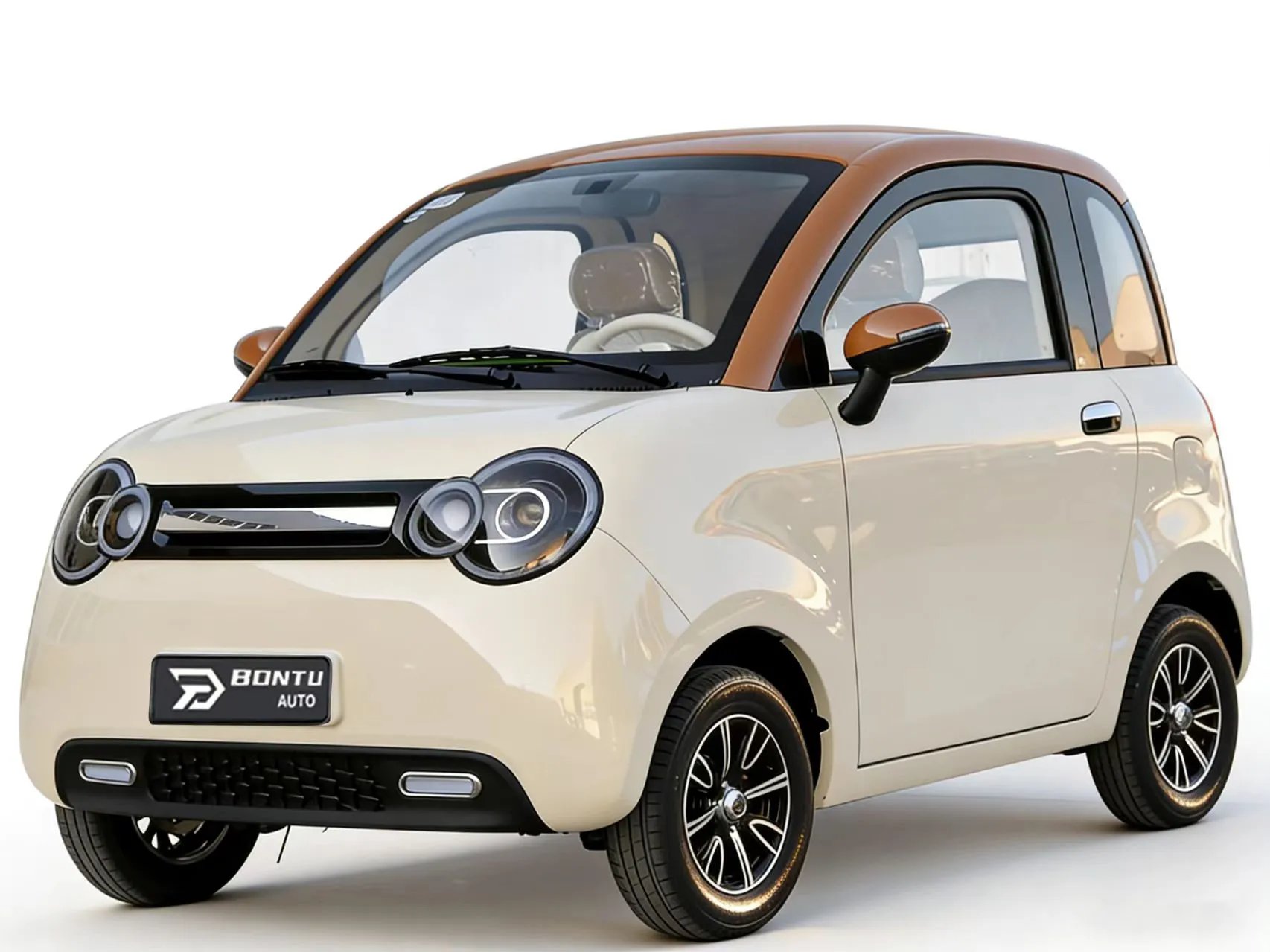
1. What Is the Actual Noise Difference Between an EV and a Gasoline Car?
The most obvious difference between an Electric Passenger Car and a traditional gasoline vehicle is the absence of the internal combustion engine. A typical gasoline engine produces 70 to 85 decibels at idle and 80 to 90 decibels at highway speeds inside the cabin. An Electric Passenger Car produces 35 to 45 decibels at city speeds and 60 to 65 decibels at highway speeds. The difference is 20 to 30 decibels, which is equivalent to a 75 to 90 percent reduction in perceived loudness. The table below shows the typical cabin noise levels across different driving scenarios.
| Driving scenario | Gasoline sedan cabin noise (dB) | Electric Passenger Car cabin noise (dB) | Perceived loudness difference |
| Idle at traffic light | 72 – 78 | 35 – 40 | EV is 75% quieter |
| City driving (40 km/h) | 65 – 70 | 42 – 48 | EV is 70% quieter |
| Highway cruising (100 km/h) | 78 – 85 | 58 – 65 | EV is 50% quieter |
| Hard acceleration | 85 – 95 | 55 – 60 | EV is 65% quieter |
At Shandong Bentu New Energy Vehicle Industry Co., Ltd., we engineer our Electric Passenger Car models with additional sound-deadening materials in the floor, doors, and firewall. The result is a cabin that is not just quiet, but free of the low-frequency drone that causes fatigue. In our factory, we measure cabin noise using a Bruel & Kjaer sound level meter, and we consistently achieve readings below 40 dB at idle.
2. How Does Cabin Quietness Affect Driver Fatigue on Long Trips?
Driver fatigue is often attributed to the visual demands of the road, but auditory fatigue is equally significant. A study published in the Journal of the Acoustical Society of America found that continuous exposure to road noise above 65 dB increases driver stress hormone levels by up to 15 percent. In a quiet Electric Passenger Car, drivers report feeling less tired after long drives. The absence of engine noise allows the brain to relax, reducing the cognitive load. The table below shows the subjective fatigue ratings of drivers comparing gasoline and electric vehicles on a 3-hour highway trip.
| Measurement | Gasoline sedan | Electric Passenger Car |
| Average cabin noise (100 km/h) | 80 dB | 62 dB |
| Subjective fatigue score (1-10, 10 = exhausted) | 7.2 | 4.1 |
| Heart rate variability (HRV) after 3 hours | Reduced by 12% | Reduced by 3% |
| Time to recover after trip | 45 minutes | 15 minutes |
This reduced fatigue translates to practical benefits: you arrive at your destination feeling fresh enough to enjoy the evening. In our factory, we test Electric Passenger Car noise levels across all driving conditions and use the data to optimize the insulation package. We have found that reducing cabin noise from 65 dB to 58 dB reduces driver fatigue by approximately 20 percent.
3. What Are the Secondary Comfort Benefits of a Quiet Cabin?
A quiet cabin does more than just reduce fatigue. It enhances every other aspect of the driving experience. The audio system sounds better because you do not need to raise the volume to overcome engine noise. Phone calls are clearer because the microphone picks up your voice, not the engine. Conversations with passengers are easier because you do not need to raise your voice. Even the air conditioning system seems more effective because the absence of noise allows you to notice the subtle sounds of airflow. In our factory, we have conducted surveys with Electric Passenger Car owners, and the most frequently mentioned secondary benefits are (1) better music listening experience, (2) easier phone calls, and (3) more relaxed conversations with family members. These are not luxury features; they are practical improvements to daily life.
Real owner feedback: "I didn't realize how much the engine noise was bothering me until I drove an EV. After a week of driving the Electric Passenger Car, I noticed that I was less irritable when I got home from work. My family noticed it too." — Electric Passenger Car owner, 2025 model.
Shandong Bentu New Energy Vehicle Industry Co., Ltd. incorporates acoustic laminated glass in the windshield and front side windows of our Electric Passenger Car models. This glass reduces wind noise by an additional 3 to 5 dB compared to standard glass. We also use acoustic foam in the wheel arches to reduce tire noise.
4. How Does Vehicle Design Contribute to the Quiet Cabin Experience?
The quiet cabin of an Electric Passenger Car is not just the absence of the engine. It is the result of careful acoustic engineering. The underbody is designed to reduce turbulence, the door seals are double-layered to block wind noise, and the suspension is tuned to minimize vibration transmission. In our factory, we use a semi-anechoic chamber to measure the noise contribution of each component. We have reduced the electric motor noise by 40 percent through the use of helical gears instead of spur gears. We also use a liquid-filled engine mount to absorb vibration. The tires are designed with a foam layer inside to reduce cavity resonance. These are not features that are visible to the buyer, but they collectively make the Electric Passenger Car a much more pleasant place to spend time.
Frequently Asked Questions About Electric Vehicle Cabin Noise
Summary for New Car Buyers
The quiet cabin of an Electric Passenger Car is not a marketing gimmick. It is a tangible improvement in driver comfort that reduces fatigue, enhances the audio experience, and makes every trip more pleasant. The difference is most noticeable on longer drives, but it is present even on short commutes. When comparing a gasoline car and an Electric Passenger Car, the cabin noise difference is one of the most significant daily differences you will notice. Our factory has been manufacturing Electric Passenger Car models for over 12 years, and we have continuously improved the acoustic performance of our vehicles. We believe that a quiet cabin is not a luxury; it is a standard feature that every driver deserves.
Shandong Bentu New Energy Vehicle Industry Co., Ltd. designs Electric Passenger Car models with a comprehensive acoustic package, including acoustic glass, sound-deadening materials, and vibration dampers. Each vehicle is tested in a semi-anechoic chamber to ensure that the cabin noise meets our rigorous standards.