
What Impact Do Forged Wheels Have on Brake Cooling Efficiency?
2025-12-25
The design and material of wheels play a significant role in how effectively a vehicle dissipates heat generated during braking. Forged wheels, known for their strength and lightweight properties, have a direct influence on brake cooling efficiency. In our factory, we closely evaluate airflow patterns, material conductivity, and structural rigidity to provide wheels that optimize thermal management. Wuhu Enzhiwei Automotive Parts Co., Ltd. has developed solutions that combine lightweight construction with precision engineering, improving braking performance under extreme conditions.
How Does Material Choice in Forged Wheels Affect Brake Heat Dissipation?
Forged wheels are manufactured using high-strength aluminum alloys that offer superior thermal conductivity compared to cast alternatives. Our engineers focus on alloy composition, including magnesium and silicon ratios, to enhance heat transfer from the brake rotor. Lighter wheels reduce rotational inertia, allowing quicker acceleration and deceleration, which directly affects brake temperatures. At Wuhu Enzhiwei Automotive Parts Co., Ltd., our material selection process ensures that each Forged wheel maintains consistent performance even during sustained high-speed braking.
Optimizing material composition not only improves heat dissipation but also enhances fatigue resistance and structural integrity. Our factory conducts thermal cycle testing to evaluate how different alloys react to repeated braking events, ensuring the wheels maintain shape and performance over time. Customers selecting Forged wheels from our range benefit from improved braking efficiency and reduced thermal degradation of brake components.
How Does Wheel Design Influence Airflow and Cooling Efficiency?
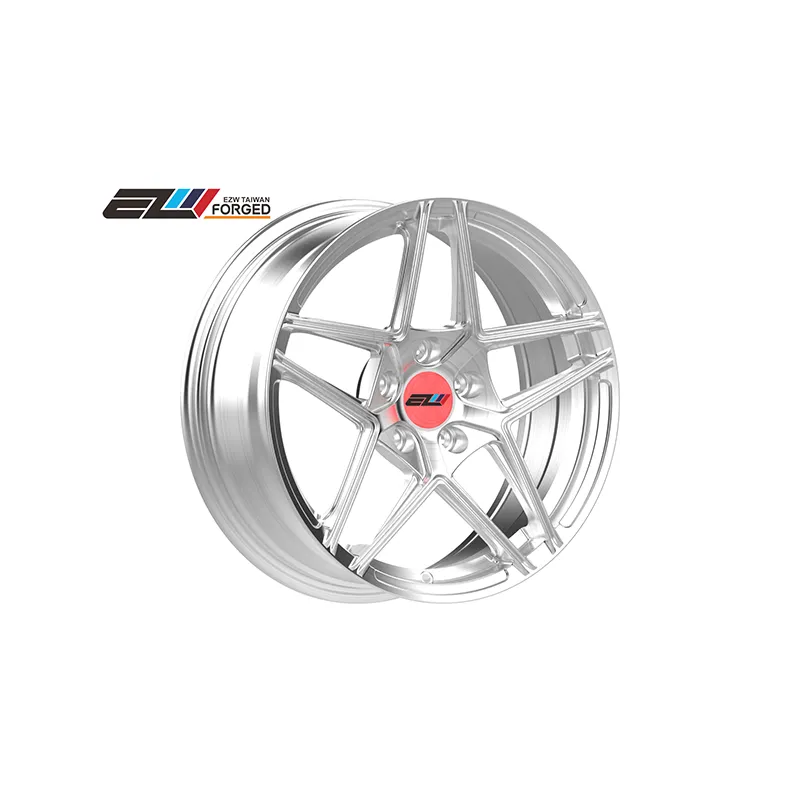
The shape and spoke configuration of Forged wheels significantly impact airflow around brake components. Open-spoke designs promote better ventilation, allowing heat to escape more efficiently from rotors and calipers. At Wuhu Enzhiwei Automotive Parts Co., Ltd., our design team uses computational fluid dynamics to analyze airflow patterns for each wheel model. Our goal is to minimize hotspots and maintain stable brake temperatures under both city driving and track conditions.
In our experience, combining lightweight construction with optimized spoke design ensures a balance between aesthetic appeal and functional performance. Buyers considering Forged wheels often inquire about the thermal efficiency of different patterns. Our team provides detailed thermal testing results and design recommendations tailored to the specific vehicle model, ensuring that brake cooling is maximized without compromising structural strength.
What Are the Key Specifications of Forged Wheels that Affect Brake Cooling?
Several measurable parameters determine how effectively a Forged wheel contributes to brake cooling. Important specifications include wheel diameter, width, spoke count, and material thickness. Larger wheels generally allow for larger brake rotors, improving heat dispersion. Our engineers also monitor the center bore and offset dimensions to optimize airflow paths while maintaining safe mechanical clearances. Wuhu Enzhiwei Automotive Parts Co., Ltd. ensures that each Forged wheel meets these specifications to support superior thermal management.
The following table illustrates typical specifications of Forged wheels and their impact on brake cooling efficiency.
| Wheel Diameter | Spoke Design | Weight | Cooling Impact |
| 18–20 inches | 5–7 spokes open | 9–12 kg | Enhanced rotor ventilation, moderate heat reduction |
| 20–22 inches | 6–10 spokes open | 10–13 kg | Improved airflow, better heat dissipation for high-performance brakes |
| 22+ inches | Multi-spoke open | 12–15 kg | Maximum airflow, optimal brake cooling under extreme conditions |
How Does Wheel Mass and Rotational Inertia Influence Brake Temperatures?
Forged wheels are lighter than comparable cast alternatives, which reduces rotational inertia. Lower inertia decreases the amount of energy converted to heat during acceleration and braking cycles. In our factory, we test the dynamic performance of wheels to ensure that lighter mass contributes to quicker deceleration and improved thermal management. Wuhu Enzhiwei Automotive Parts Co., Ltd. emphasizes the balance between weight reduction and mechanical strength, as overly thin wheels may compromise safety.
Our customers often notice that lighter Forged wheels contribute to lower average brake temperatures during prolonged track sessions or heavy towing. By integrating advanced materials and precision forging techniques, our engineers ensure that our wheels maintain dimensional stability while reducing thermal loads on brake components.
What Role Does Manufacturing Precision Play in Brake Cooling?
Even minor deviations in wheel geometry can alter airflow and create hotspots. Forging technology allows us to control tolerances within a few microns, ensuring uniform thickness and precise spoke placement. Our factory continuously inspects each Forged wheel using laser measurement systems to maintain consistency. At Wuhu Enzhiwei Automotive Parts Co., Ltd., this precision contributes directly to improved airflow management and brake cooling efficiency.
Consistent manufacturing reduces the risk of vibration-induced brake wear and ensures that heat is evenly distributed across the rotor. Buyers selecting Forged wheels from our range can rely on predictable thermal performance across all installed wheels, which is critical for high-performance and commercial vehicles.
How Do Forged Wheels Enhance Overall Brake System Longevity?
By improving heat dissipation, Forged wheels help reduce thermal fatigue in brake pads and rotors. Lower and more uniform temperatures prevent glazing, warping, and premature wear. In our factory, we evaluate brake components under simulated conditions to measure how different Forged wheel designs affect brake life. Wuhu Enzhiwei Automotive Parts Co., Ltd. ensures that our wheels complement the braking system for sustained performance.
Optimized heat management also reduces the likelihood of brake fade during repeated or prolonged braking events. Our team provides guidance on selecting Forged wheels based on vehicle type, driving conditions, and brake system specifications, enabling our customers to achieve longer service intervals and safer operation.
FAQ: What Impact Do Forged Wheels Have on Brake Cooling Efficiency?
Q1: How does the spoke design of Forged wheels affect rotor cooling?
Spoke design determines airflow around brake components. Open-spoke configurations allow hot air to escape more easily, maintaining lower rotor temperatures. Our engineers optimize spoke placement to achieve maximum ventilation without compromising wheel strength.
Q2: Why is wheel weight critical for brake heat management?
Lighter wheels reduce rotational inertia, lowering energy conversion to heat during braking. Our factory designs Forged wheels that maintain strength while minimizing weight, improving thermal efficiency and overall vehicle handling.
Q3: Can material selection in Forged wheels influence brake pad lifespan?
Yes, high-conductivity aluminum alloys help dissipate heat more quickly, preventing brake pads from overheating and glazing. At Wuhu Enzhiwei Automotive Parts Co., Ltd., we select alloy compositions that optimize both durability and thermal transfer.
Conclusion
Forged wheels impact brake cooling efficiency through material selection, spoke design, weight reduction, and manufacturing precision. Optimized wheels ensure lower rotor temperatures, improved pad life, and more consistent braking performance. Our factory produces Forged wheels that combine these factors to support high-performance and everyday vehicles alike. If you are seeking wheels that enhance braking efficiency while maintaining strength and durability, contact our technical team at Wuhu Enzhiwei Automotive Parts Co., Ltd. today to discuss tailored solutions for your vehicle.