A radiator does much more than hold engine coolant. It is a key part of the vehicle's cooling system, transferring heat away from the coolant so the engine can remain within its intended operating temperature range. For Honda owners, repair shops, distributors, and automotive parts buyers, understanding radiator construction, failure symptoms, compatibility, and replacement considerations can help prevent repeated overheating problems and unnecessary parts costs.
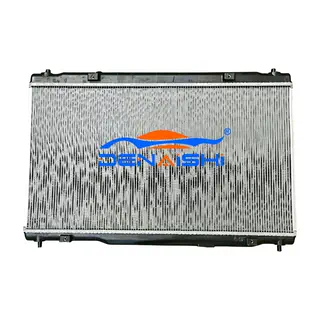
An engine generates a considerable amount of heat during normal operation. The cooling system has to move that heat away from critical engine components before excessive temperature causes performance problems or mechanical damage. The radiator is the component that releases much of this heat into the surrounding air.
Coolant absorbs heat as it circulates through the engine. Once the heated coolant reaches the radiator, it passes through narrow internal tubes while air moves across the radiator fins. Heat transfers from the coolant to the metal structure and then into the surrounding air. The cooled fluid returns to the engine and the cycle continues.
For parts buyers, the key point is simple: a radiator should not be selected by vehicle brand alone. Model, model year, engine configuration, transmission arrangement, dimensions, connection locations, and other cooling-system specifications can affect compatibility.
Honda's owner information also emphasizes checking coolant levels and inspecting cooling-system components for leaks when overheating occurs. Continuing to operate an overheated vehicle can cause engine damage.
How the Cooling Process Works from Engine to Radiator
A radiator works as part of a larger system rather than as an isolated component. Understanding the basic coolant path makes it easier to identify where a cooling problem may originate.
|
Cooling System Component
|
Main Function
|
Possible Problem
|
|
Engine coolant passages
|
Allow coolant to absorb heat from the engine
|
Restricted flow or internal deposits
|
|
Water pump
|
Circulates coolant through the system
|
Reduced circulation or leakage
|
|
Thermostat
|
Controls coolant circulation according to temperature
|
Sticking or incorrect opening behavior
|
|
Radiator
|
Transfers coolant heat to surrounding air
|
Leaks, blocked passages, damaged fins or poor heat transfer
|
|
Cooling fan
|
Moves air through the radiator when required
|
Fan motor, control or electrical problems
|
|
Hoses and connections
|
Carry coolant between components
|
Cracking, swelling, leakage or loose connections
|
This is why replacing a radiator does not automatically solve every overheating complaint. If the actual cause is a failed cooling fan, thermostat, water pump, hose or coolant leak elsewhere in the system, a new radiator may not resolve the underlying problem.
━━━━━━━━━━━━
Which Symptoms Suggest a Honda Radiator Needs Attention?
Radiator problems can develop gradually or appear suddenly. Some symptoms are easy to notice, while others require inspection. Recognizing them early can help prevent a minor cooling-system issue from developing into a much more expensive repair.
1. Coolant Leaks
A visible coolant leak is one of the clearest warning signs. Depending on the location of the leak, coolant may appear around the radiator, hose connections, drain area, or beneath the vehicle. A low coolant level can reduce the system's ability to remove engine heat.
2. Rising Engine Temperature
A temperature warning or abnormal temperature increase should not be ignored. Honda owner information advises stopping safely and allowing the engine to cool when an overheating warning occurs.
3. Damaged or Blocked Fins
The radiator relies on airflow across its fins. Bent fins, heavy dirt accumulation, corrosion, or external blockage can reduce the amount of air reaching the heat-transfer surface.
4. Repeated Coolant Loss
If coolant repeatedly falls below the expected level, simply adding more coolant does not address the root cause. The system should be checked for leaks and other faults.
5. Cooling Fan Problems
A radiator may be physically sound while the vehicle still overheats because the cooling fan is not operating correctly. Honda's overheating guidance specifically instructs owners to check whether the cooling fan is operating.
Why Do Honda Radiators Develop Problems?
Radiators operate through repeated heating and cooling cycles, exposure to coolant, road debris, vibration, moisture, and pressure changes. Over time, these conditions can affect both the radiator's internal passages and its external structure.
-
Age-related material deterioration: repeated thermal cycling can gradually weaken seals, joints and surrounding components.
-
External impact: stones and road debris can damage fins or create localized deformation.
-
Corrosion: unsuitable coolant or contamination can contribute to cooling-system corrosion.
-
Internal restriction: deposits or contamination may reduce coolant flow through the radiator.
-
Excessive system pressure: pressure-related problems may reveal weaknesses at tanks, joints or connections.
-
Improper installation: incorrect fittings, damaged seals or poorly secured connections can lead to leakage.
-
Cooling-system faults elsewhere: thermostat, fan, pump or hose problems can create overheating symptoms that appear to originate from the radiator.
Honda documentation recommends using the specified coolant and warns that incompatible coolant can contribute to corrosion and cooling-system malfunction.
━━━━━━━━━━━━
What Should You Check Before Buying a Replacement Radiator?
One of the most common purchasing mistakes is ordering a radiator based only on the vehicle name. A Honda model can have different configurations across production years, engines, transmissions, markets, and equipment levels.
Before placing an order, compare the original radiator with the proposed replacement as closely as possible.
|
Specification to Verify
|
Why It Matters
|
|
Honda model and production year
|
Different generations may use different radiator designs.
|
|
Engine type
|
Engine output and packaging can affect cooling-system requirements.
|
|
Transmission configuration
|
Some applications may require additional cooling provisions.
|
|
Overall dimensions
|
Correct dimensions help ensure proper installation and airflow.
|
|
Inlet and outlet positions
|
Incorrect locations can prevent hose connections from fitting.
|
|
Mounting points
|
Mounting geometry must correspond with the vehicle.
|
|
Material and construction
|
Influences heat transfer, durability and service expectations.
|
|
Part number / OE reference
|
Useful for confirming application compatibility.
|
Procurement tip: For wholesale or workshop purchasing, provide the supplier with the vehicle model, year, engine information, OE/reference number and clear photographs of the original radiator when available. This gives the supplier more information than a model name alone.
How Does Radiator Construction Affect Cooling Performance?
The radiator's job depends on efficient heat transfer and consistent coolant flow. Its construction therefore matters when comparing replacement parts with similar external dimensions.
Core Design
The core contains the tubes and fins responsible for transferring heat. The arrangement, density and effective surface area influence how efficiently heat can move from the coolant into the surrounding air.
Material Selection
Aluminum is widely used in automotive radiator construction because of its combination of low weight and useful thermal conductivity. Plastic tanks may also be integrated into many modern radiator designs. The appropriate material combination depends on the application and construction method.
Tank and Joint Quality
A radiator can have an effective heat-transfer core and still fail prematurely if tank joints, seals, connections or other structural areas are not reliable. Leakage resistance is therefore just as important as cooling capacity.
Airflow
Radiator performance depends not only on the radiator itself but also on airflow through the vehicle's front-end cooling package. A damaged fan, blocked grille, restricted airflow path or heavily contaminated radiator surface can reduce cooling performance.
━━━━━━━━━━━━
How Can a Cooling Problem Be Diagnosed Before Replacing the Radiator?
Replacing a radiator without confirming the cause of overheating can create unnecessary expense. A systematic inspection is more useful than changing components one by one.
-
Check the temperature warning: determine whether the vehicle is actually experiencing an overheating condition.
-
Inspect the coolant level: check the reserve tank only when the system is safe and sufficiently cool.
-
Look for external leaks: inspect radiator joints, hoses and visible cooling-system connections.
-
Inspect radiator condition: look for damaged fins, corrosion, contamination and visible deformation.
-
Check fan operation: a radiator cannot reject heat effectively if required airflow is missing.
-
Consider thermostat and pump condition: coolant circulation problems can produce similar symptoms.
-
Confirm the repair requirement: identify whether the radiator itself is damaged or whether another component is responsible.
Safety first: Never remove a radiator cap while the engine and radiator are hot. Pressurized coolant can spray out and cause serious burns. Honda specifically warns owners to allow the cooling system to cool before removing the radiator cap.
When Does a Honda Auto Radiator Need Replacement?
A replacement is generally considered when the radiator has a confirmed structural or functional problem that cannot reasonably be corrected through routine maintenance. Typical situations include persistent leakage from the radiator itself, severe corrosion, significant physical damage, blocked internal passages, or deterioration that compromises reliable operation.
The decision should be based on inspection rather than mileage alone. A vehicle operating in a hot climate, a vehicle exposed to heavy traffic, or one used under demanding conditions may experience different cooling-system loads from another vehicle with similar mileage.
It is also important to distinguish a radiator replacement from a complete cooling-system repair. If the radiator is replaced but the fan, thermostat, pump or hoses remain faulty, the original overheating condition may continue.
What Maintenance Helps Protect the Cooling System?
Good cooling-system maintenance is mostly about preventing small problems from becoming larger ones. Regular checks can reveal coolant loss, external contamination or damaged components before they develop into an overheating event.
-
Check the coolant reserve level according to the vehicle manufacturer's instructions.
-
Inspect visible hoses and connections for deterioration or leakage.
-
Keep the radiator's external surface reasonably clean and unobstructed.
-
Pay attention to temperature warnings and unusual changes in engine temperature.
-
Use the specified or compatible coolant rather than mixing unsuitable products.
-
Investigate repeated coolant loss instead of continually topping up the system.
-
After cooling-system repairs, verify that the system has been properly filled and checked for leaks.
Honda maintenance guidance instructs owners to check coolant levels with the engine and radiator cool and to inspect the cooling system for leaks.
━━━━━━━━━━━━
What Matters to Auto Parts Distributors and Repair Shops?
For professional buyers, radiator procurement involves more than finding a part that physically fits. A replacement part must also be practical for inventory management, installation, customer service and repeat purchasing.
Application Accuracy
Clear application data reduces incorrect orders. Model year, engine configuration, transmission information, OE references and dimensional data are particularly useful when confirming compatibility.
Consistent Product Information
Distributors often need to publish product information across catalogs, marketplaces and customer quotations. Consistent specifications, photographs, packaging information and reference numbers make the sales process easier.
Packaging and Transportation
Radiators contain thin fins and connection points that should be protected during handling and shipping. Suitable packaging helps reduce the risk of cosmetic or structural damage before the part reaches the workshop.
Repeat Supply
For wholesalers and repair networks, stable product availability can be as important as the initial unit price. A supplier capable of supporting repeat orders with consistent specifications can make inventory planning more predictable.
For importers: When requesting a quotation, include the target Honda applications, required quantity, reference numbers, packaging requirements and destination market. A detailed inquiry makes it easier to confirm the correct product and commercial terms.
Frequently Asked Questions About Honda Auto Radiators
Can one Honda radiator fit several different models?
Some radiators may share applications across multiple vehicles, but compatibility should be confirmed through application data, dimensions, connection locations and reference numbers rather than assuming interchangeability.
Can a leaking Honda radiator be repaired?
The answer depends on the location, severity and construction of the damage. Some minor issues may be repairable, while significant structural damage, severe corrosion or recurring leakage may make replacement a more practical solution.
Does a new radiator automatically solve overheating?
No. Overheating can result from several cooling-system components. Honda's guidance specifically recommends checking coolant level, leaks and cooling fan operation when an overheating condition occurs.
How should coolant be checked?
The cooling system should be cool before inspection. Honda maintenance instructions recommend checking the reserve tank and adding the specified coolant when the level is below the appropriate mark.
Why is radiator compatibility important?
A radiator may need to match specific mounting points, dimensions, hose connections, engine configuration and other application requirements. A visually similar part is not necessarily a suitable replacement.
What should I do if a Honda starts overheating?
Safely stop the vehicle and follow the applicable owner's manual procedure. Do not open a hot radiator cap. Honda advises allowing the engine and radiator to cool before inspecting coolant and cooling-system components.
Is radiator maintenance only about coolant?
No. Coolant condition and level are important, but radiator performance also depends on airflow, fan operation, hoses, thermostat function, coolant circulation and the physical condition of the radiator.
What information should I provide when purchasing a replacement radiator?
Ideally provide the Honda model, production year, engine information, transmission configuration if relevant, OE or reference number, and photographs or dimensions of the original radiator. For wholesale orders, quantity and packaging requirements should also be specified.
Need the Right Honda Auto Radiator for Your Market?
Choosing the correct radiator is easier when application information, product specifications and purchasing requirements are confirmed before the order is placed. Guangzhou Denaishi Auto Parts Co., Ltd. provides automotive radiator solutions for buyers looking for suitable replacement parts and dependable supply support.
If you are sourcing Honda auto radiators for wholesale distribution, repair workshops, automotive parts stores or overseas markets, send us your vehicle application, OE reference, required quantity and destination. Our team can help check the product details and discuss your purchasing requirements.
Contact us to discuss Honda auto radiator applications, quotations and wholesale supply requirements.