
What Materials Are Used in OEM-Grade Renault Car Intake Pipe Manufacturing Today?
2026-03-10
In modern European automotive engineering, the intake system plays a crucial role in regulating airflow between the air filter housing and the engine manifold. For Renault vehicles in particular, the intake pipe must operate reliably under fluctuating engine temperatures, pressure variations, and long service cycles. OEM manufacturers therefore focus on advanced material combinations that deliver strength, flexibility, and resistance to heat and chemical exposure.
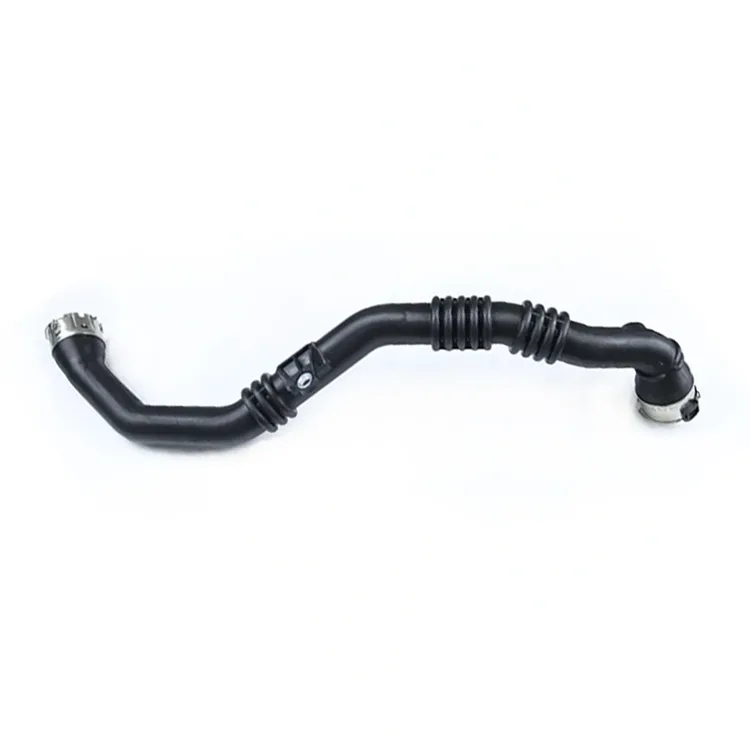
When engineers evaluate the design of a Renault Car Intake Pipe, they consider durability, airflow stability, weight reduction, and compatibility with turbocharged engines commonly used in Renault passenger cars and light commercial vehicles. These factors determine which polymers or composite materials are selected during manufacturing.
At Ningbo Haochi Technology Co., Ltd., our factory focuses on producing intake system components that meet OEM replacement standards used by international aftermarket distributors and automotive parts wholesalers. Through continuous testing and mold optimization, our factory ensures stable dimensional accuracy and long service life in real driving environments.
From a production perspective, our engineers carefully balance structural rigidity with lightweight construction. This allows our factory to provide intake solutions that integrate smoothly with existing air filter boxes, throttle bodies, and turbocharger connections used in Renault platforms.
Which Polymer Materials Are Commonly Used in Intake Pipe Manufacturing?
Most modern intake pipes are manufactured from advanced thermoplastic materials rather than traditional metal tubing. Polymer technology allows manufacturers to reduce weight while maintaining the strength required for long-term automotive use.
A high-quality Renault Car Intake Pipe is usually produced using engineered plastics such as reinforced nylon or polypropylene blends. These materials offer strong resistance to engine heat, oil vapor, and vibration. Our engineers evaluate these properties carefully during material sourcing and molding design stages.
Our factory regularly works with materials such as PA6, PA66, and glass-fiber-reinforced nylon because these polymers maintain structural integrity under sustained temperatures commonly found in turbocharged Renault engines. At Ningbo Haochi Technology Co., Ltd., we also focus on optimizing airflow channels so that intake turbulence is minimized during engine operation.
The table below outlines common materials used in intake pipe production and their functional characteristics in automotive applications.
| Material Type | Typical Application | Key Performance Advantage | Temperature Resistance |
| PA6 Nylon | Standard engine intake ducts | Good balance of strength and flexibility | Up to 150°C |
| PA66 Nylon | Turbocharged engine air intake pipes | High mechanical strength and heat resistance | Up to 180°C |
| Glass Fiber Reinforced Nylon | Heavy duty intake pipe assemblies | Improved rigidity and structural stability | Up to 200°C |
| Polypropylene Blend | Lightweight intake tubes | Lower weight with corrosion resistance | Up to 120°C |
Using these materials allows our engineers to design airflow passages that maintain consistent air velocity into the engine intake manifold. Our quality control team performs thermal aging and pressure resistance testing to verify that every Renault Car Intake Pipe meets expected durability standards before shipment.
How Do OEM Manufacturers Ensure Durability and Performance?
Durability testing is one of the most critical stages in OEM component manufacturing. Intake pipes must withstand engine heat cycles, vibration from road conditions, and long-term exposure to oil vapor and dust particles drawn through the air filtration system.
At Ningbo Haochi Technology Co., Ltd., our production workflow begins with precision mold design. Our engineers simulate airflow and pressure distribution inside the Renault Car Intake Pipe to ensure structural stability in high load conditions. Our factory uses advanced injection molding equipment that maintains tight tolerance levels required for automotive assembly.
Another important step involves leak testing and dimensional verification. Intake pipes must connect seamlessly with throttle bodies and air filter housings. Our factory performs pressure retention checks to guarantee airtight connections and consistent airflow performance.
Beyond material strength, the design of mounting brackets and flexible joints also plays a major role. Our engineers focus on vibration absorption and flexible connection points that reduce the risk of cracking during prolonged engine operation.
What Technical Parameters Define a High Quality Intake Pipe?
Professional buyers and automotive distributors often evaluate intake pipes using a set of measurable technical parameters. These specifications determine compatibility with Renault vehicle platforms and overall reliability during engine operation.
Our factory maintains strict production standards to ensure each Renault Car Intake Pipe meets international aftermarket expectations. The following table highlights key technical parameters that many professional buyers look for when sourcing intake components.
| Parameter | Typical Specification | Industry Purpose |
| Material Composition | PA66 with glass fiber reinforcement | Improves mechanical durability |
| Temperature Resistance | 180°C continuous exposure | Ensures stability near engine bay heat |
| Wall Thickness | 2.5 mm to 4 mm | Maintains structural strength |
| Airflow Diameter Range | 50 mm to 90 mm | Supports stable engine airflow |
| Surface Finish | Smooth internal air channel | Reduces airflow resistance |
Through precise engineering and consistent material selection, our engineers are able to produce intake components that deliver long-term reliability. Our factory also provides customization services for distributors seeking specific dimensions or connector structures for different Renault engine models.
Why Are Global Buyers Focusing on OEM Replacement Intake Pipes?
The global automotive aftermarket has experienced steady growth as vehicle owners keep their cars longer and rely on replacement components for maintenance. Renault vehicles are widely used across Europe, North Africa, and South America, creating consistent demand for reliable intake system parts.
Distributors often prefer OEM grade components because they match the original design specifications used by Renault manufacturers. Our factory focuses on maintaining dimensional accuracy so that installation remains straightforward for professional mechanics and automotive service centers.
At Haochi, our production system integrates material inspection, mold calibration, and final assembly testing to ensure consistent quality across large order volumes. Our factory works closely with international buyers who require stable supply capacity and dependable product performance.
This attention to manufacturing detail allows our factory to support wholesalers and automotive parts importers who need reliable Renault Car Intake Pipe solutions for their regional markets.
FAQ About OEM Intake Pipe Manufacturing
Q1: What materials are typically used in OEM intake pipe production for Renault vehicles?
Most OEM intake pipes are manufactured using engineered polymers such as PA6 nylon, PA66 nylon, or glass fiber reinforced nylon. These materials provide excellent heat resistance, vibration tolerance, and structural durability. They also allow manufacturers to design lightweight components that improve fuel efficiency while maintaining consistent airflow into the engine system.
Q2: How does material quality affect the lifespan of an intake pipe?
High quality polymer materials maintain their structural integrity under constant engine heat and pressure. Poor quality materials may deform, crack, or leak over time. Reinforced nylon materials are widely used because they resist chemical exposure from oil vapor and maintain dimensional stability during long term vehicle operation.
Q3: Why do aftermarket distributors prefer OEM specification intake pipes?
OEM specification intake pipes follow the same dimensional design used by the original vehicle manufacturer. This ensures compatibility with the engine air intake system and simplifies installation for automotive technicians. Distributors also prefer OEM grade components because they reduce warranty claims and improve long term customer satisfaction.
How Can Reliable Manufacturing Support Automotive Parts Buyers?
Consistent material selection and precise engineering are essential for producing durable automotive intake components. Our factory focuses on polymer engineering, mold accuracy, and airflow design to deliver products that meet professional aftermarket standards. Through careful production management and strict inspection procedures, Ningbo Haochi Technology Co., Ltd. supports global distributors with stable supply and dependable performance.
If you are sourcing high quality intake components for Renault vehicles, our factory can provide reliable manufacturing support, flexible customization options, and competitive wholesale supply. Contact our team today to request technical specifications, product catalogs, or a quotation for your next procurement project.