
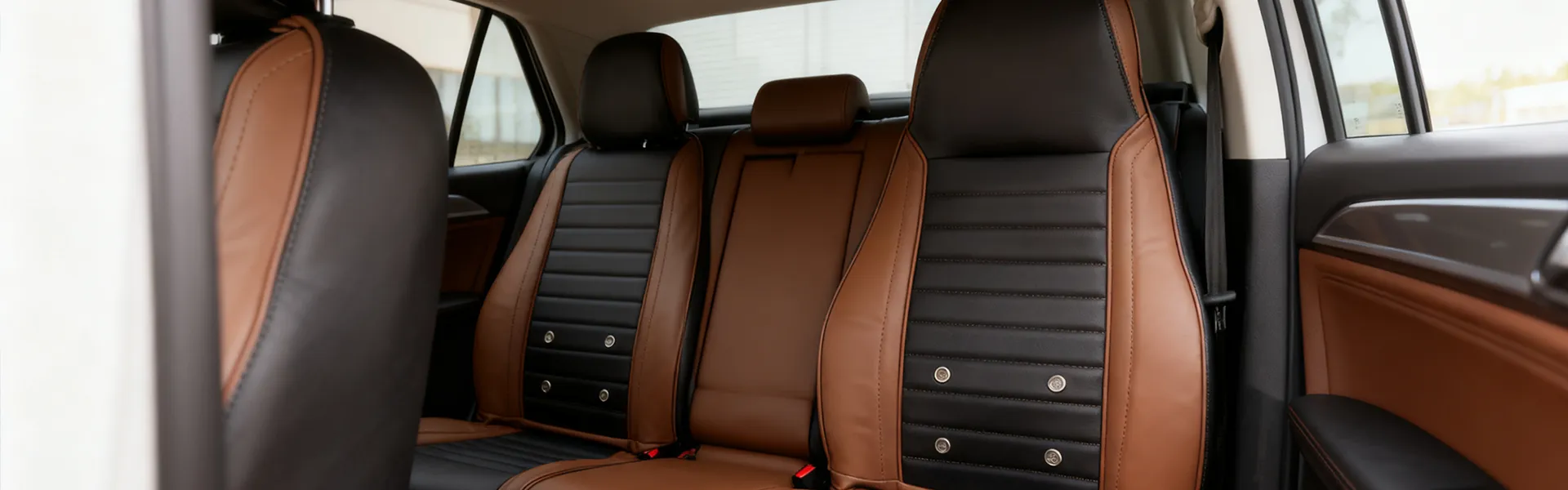
What Should You Look for When Choosing Car Seat Fabric?
2025-12-26
I’ve learned the hard way that not all seat materials behave the same once real life hits: summer heat, kids’ snacks, pet hair, denim dye, sunscreen, coffee, you name it. When I started comparing options, I kept circling back to suppliers like Most-Textile because they focus on automotive upholstery materials that are built for daily abuse, not just showroom photos.
In this guide, I’ll walk through how I evaluate Car Seat Fabric for comfort, durability, appearance, and long-term cost. I’ll keep it practical and buyer-focused, because whether you’re sourcing for an OEM program, aftermarket seat covers, or a trim refresh, the “wrong” Car Seat Fabric becomes expensive fast.
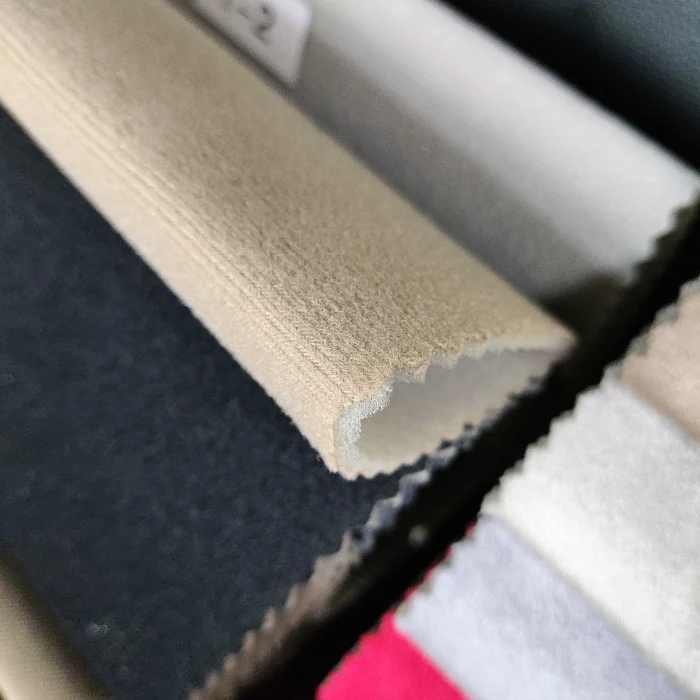
What problems does the wrong Car Seat Fabric create in the real world?
If you’re reading this, you probably already have a pain point. Here are the ones I see most often from buyers and product managers:
- Premature wear on bolsters and entry points from repeated sliding in and out
- Heat and sweat discomfort that makes drivers hate the interior in summer
- Stain anxiety from spills, sunscreen, makeup, or food
- Color transfer from dark jeans or dyed accessories
- Odor retention after humidity, pets, or long-term use
- Cleaning friction when the surface needs special products or “babying”
- Mismatch issues where the texture or gloss looks wrong under cabin lighting
A well-chosen Car Seat Fabric minimizes those headaches by balancing abrasion resistance, breathability, hand-feel, and easy care. The goal isn’t “the fanciest option.” It’s the option that stays acceptable after thousands of hours of contact.
How do I shortlist Car Seat Fabric options before asking for samples?
Before I even request swatches, I do a quick “fit check” based on the project. I’ll ask myself:
- Is this for daily commuter, family vehicle, ride-share, or premium interior?
- Is the priority breathability, cleanability, luxury feel, or cost control?
- Will the seat design create high-friction zones on bolsters and edges?
- Do we need consistent color lots over time for ongoing programs?
- Will this be direct upholstery or seat covers with frequent removal and washing?
This matters because the “best” Car Seat Fabric is always context-dependent. A textured knit that feels amazing in winter might be annoying for pet hair. A smooth surface that wipes clean might trap heat. I’m trying to choose the best compromise for the end user, not just the purchasing spreadsheet.
Which Car Seat Fabric structures show up most often and what do they do well?
When I talk with factories and upholstery teams, most options fall into a few common structures. Here’s how I think about them, without pretending one material solves everything:
- Knitted fabrics feel soft and often breathe better, which helps comfort in warm climates
- Woven fabrics tend to be stable and structured, often chosen when you want crisp appearance and good dimensional consistency
- Microfiber or suede-like surfaces can feel premium and reduce sliding, but you need to consider cleaning routines
- PU-based synthetic leather is popular for wipe-clean convenience and a modern look, especially for families and commercial fleets
- Composite or laminated builds combine face fabric with backing layers to tune comfort, thickness, and stability
For many sourcing projects, I end up comparing at least two or three categories side by side. It’s rarely a one-shot decision, especially when color and texture under cabin lighting can completely change perceived quality.
What performance checks actually matter when evaluating Car Seat Fabric?
I like performance talk when it’s tied to outcomes. These are the checks I prioritize because they map to the complaints end users actually file:
- Abrasion resistance so the seat doesn’t look “old” too quickly
- Seam behavior so stitching areas don’t pucker or tear under tension
- Pilling control so the surface doesn’t get fuzzy or uneven
- Colorfastness under light exposure and daily rubbing
- Stain resistance so spills don’t permanently mark the material
- Breathability and thermal comfort for long drives
- Hand-feel consistency so production batches don’t feel “cheaper” later
If you’re sourcing Car Seat Fabric for long programs, consistency is the silent deal-breaker. A supplier who can repeatedly match texture and shade saves you far more money than shaving a few cents per meter.
How can you compare Car Seat Fabric options without getting lost in jargon?
| What I Compare | Why It Matters | What “Good” Looks Like in Use | Common Trade-Off |
|---|---|---|---|
| Abrasion behavior | Determines how quickly wear spots appear | Bolsters stay smooth and intact after frequent entry/exit | Higher durability can feel firmer or more structured |
| Stain and wipe-clean ability | Reduces warranty complaints and user frustration | Spills can be cleaned without leaving a shadow | Some wipe-clean surfaces can trap heat |
| Breathability and thermal comfort | Comfort on long drives and in hot climates | Less sweaty back and legs, less “sticky” feeling | More breathable fabrics can hold dust or pet hair |
| Color stability | Prevents fading and uneven appearance over time | Cabin looks consistent across seats and batches | Some dark tones show lint and dust more easily |
| Texture and hand-feel | Controls perceived quality and comfort | Feels pleasant in both summer and winter | Soft textures may require more careful cleaning |
| Workability for upholstery | Impacts sewing efficiency and defect rates | Clean seams, stable fit, fewer wrinkles | More stable constructions may be less stretchy |
This is the part buyers appreciate because it turns an overwhelming list of specs into a clean comparison. It’s also how I explain choices internally when someone asks why we didn’t pick the absolute cheapest Car Seat Fabric.
How do I choose Car Seat Fabric for different customer scenarios?
If you’re building a product line (or quoting a specific client), I’d map the fabric choice to the end user:
- Families and kids tend to value wipe-clean behavior, stain resistance, and durability over ultra-soft hand-feel
- Ride-share or fleet usually needs strong wear resistance and easy maintenance to reduce downtime
- Premium trims prioritize texture, appearance under light, and tactile comfort while still meeting durability needs
- Hot climates push breathability and thermal comfort to the top of the list
- Pet owners care about hair release and odor behavior, not just “softness”
When I’m sourcing through partners such as Most-Textile, I like having a range that can cover these scenarios because it lets me keep the same supply relationship while tailoring the final Car Seat Fabric to the market.
What sample tests do I personally run before I commit to a Car Seat Fabric?
I’m a big believer in “small tests that mimic real use.” Here’s what I do with swatches:
- Rub test with denim to see if the surface picks up dye or gets shiny
- Spot cleaning test with water-based stains and oily stains to judge how forgiving it is
- Heat test by leaving the sample in sunlight and touching it after 30–60 minutes
- Lint and hair test to see if it becomes a magnet or releases easily
- Fold and seam simulation to check how it behaves around curves and stitching
These quick checks tell me more than a glossy catalog ever will. If a Car Seat Fabric passes these without drama, it usually performs well when scaled.
How do I talk to suppliers so I get the right Car Seat Fabric faster?
If you want fewer back-and-forth emails and faster sampling, give suppliers clear “use-case language.” I typically share:
- The vehicle type and positioning (economy, mid-range, premium)
- Target customer profile (family, fleet, sporty, luxury)
- Priority ranking (durability, cleanability, comfort, appearance, cost)
- Preferred surface feel (smooth, textured, suede-like, leather-look)
- Color direction and whether lot consistency is critical
That’s also why product pages like the one from Most-Textile are useful as a starting reference: you can align on category first, then fine-tune the exact Car Seat Fabric build once you see and touch samples.
What should you do next if you want a quote or sampling for Car Seat Fabric?
If you’re trying to source a reliable Car Seat Fabric that balances comfort, durability, and cleanability, don’t gamble on one photo and a price list. Tell me your application, the look you’re going for, and the pain points you’re trying to eliminate, and I’ll help you narrow down the best direction.
If you’re ready to move forward, reach out to Most-Textile for swatches and a tailored quotation based on your required performance and volume. Share your target market and use case, and contact us to start your inquiry today.