
Article Summary
The radiator is one of the most important components in the Honda JADE FR2 17-MT cooling system. It continuously removes heat from engine coolant and transfers that heat to the surrounding air, helping the engine maintain a stable operating temperature. When the original radiator becomes damaged, clogged, corroded, or unable to maintain proper coolant flow, replacing it with a correctly matched radiator becomes essential. This guide explains what to look for in a radiator for Honda JADE FR2 17-MT, how radiator construction affects cooling performance, which warning signs should not be ignored, how to confirm compatibility, and how to avoid common replacement mistakes.
Why the Radiator Matters in the Honda JADE FR2 17-MT
An engine generates a significant amount of heat during normal operation. The cooling system is responsible for controlling that heat, and the radiator serves as the main heat-exchange component within that system. Hot coolant travels from the engine to the radiator, passes through the radiator core, and releases heat through the tubes and fins. Cooler coolant then returns to the engine so the cycle can continue.
This process sounds simple, but the radiator has to perform consistently under very different driving conditions. City traffic, long-distance driving, hot weather, frequent acceleration, heavy loads, and extended idling can all increase the demand placed on the cooling system. A radiator that cannot transfer heat effectively may contribute to rising coolant temperatures and, eventually, engine overheating.
A replacement radiator should not be selected by appearance alone. Correct vehicle application, dimensions, mounting points, coolant connections, core construction, and overall manufacturing quality all matter.
For this reason, the radiator for Honda JADE FR2 17-MT should be treated as a precision replacement component rather than simply a generic metal heat exchanger.
When Does the Honda JADE FR2 17-MT Radiator Need Replacement?
Some radiator problems appear gradually, while others become obvious after a sudden coolant leak. Recognizing early warning signs can help prevent a relatively manageable cooling-system repair from developing into a much more expensive engine problem.
1. Visible Coolant Leakage
Coolant underneath the vehicle, damp areas around radiator connections, or visible staining around the radiator can indicate a leak. A leak should never be ignored simply because the vehicle still drives normally. Loss of coolant reduces the cooling system's ability to control engine temperature.
2. Repeated Overheating
An engine temperature that repeatedly rises above its normal operating range requires investigation. The radiator may be involved, although the thermostat, cooling fan, water pump, hoses, coolant level, or other components can also contribute to overheating.
3. Restricted or Contaminated Coolant
Internal deposits can restrict coolant passages and reduce heat-transfer efficiency. External dirt, insects, mud, and bent fins can also restrict airflow through the radiator core.
4. Corrosion or Physical Damage
Corrosion, damaged fins, cracked tanks, damaged fittings, or impact-related deformation can compromise radiator performance. Once structural damage affects coolant containment or airflow, replacement is often more practical than attempting to restore the original unit.
5. Unexplained Coolant Loss
If coolant needs to be topped up repeatedly, the cooling system should be inspected rather than relying on frequent refilling. The radiator, hoses, connections, expansion tank, water pump, and other components should be checked systematically.
Key Factors for a Radiator for Honda JADE FR2 17-MT
A suitable radiator needs to work as part of the complete cooling system. The following factors are particularly important when evaluating a replacement.
| Factor | Why It Matters | What to Check |
|---|---|---|
| Vehicle Application | Ensures the radiator is designed for the intended vehicle configuration. | Honda JADE FR2 17-MT application information. |
| Dimensions | Determines whether the radiator can physically fit in the original mounting position. | Core size, overall dimensions, mounting points and clearance. |
| Coolant Connections | Incorrect connection positions can make installation impossible or unreliable. | Inlet and outlet positions, fittings and connection design. |
| Core Construction | Influences heat-transfer efficiency, airflow and durability. | Tube, fin and core construction quality. |
| Material Quality | Helps determine resistance to corrosion, vibration and thermal cycling. | Aluminum, plastic tank and related material specifications. |
| Manufacturing Quality | Consistent assembly reduces the risk of leaks and fitment problems. | Welding, brazing, finishing and quality-control processes. |
Heat Transfer Is More Than Core Size
A larger-looking radiator is not automatically a better radiator. Heat transfer depends on several interacting factors, including coolant flow, fin density, tube design, airflow, surface area and the condition of the entire cooling system.
The goal is therefore to find a radiator engineered for the vehicle application rather than simply selecting the largest unit that appears capable of fitting.
Construction Quality Matters at Every Connection
The radiator core receives most of the attention, but tanks, fittings, mounting brackets, seams and connection points are equally important during real-world use. A radiator can have an effective core yet still create installation or reliability problems if the surrounding components are poorly matched.
How to Confirm Compatibility Before Ordering
Correct identification is one of the most important steps when purchasing a replacement radiator. Model names and production years alone may not always provide enough information, particularly when vehicles can have different equipment configurations or transmission-related cooling arrangements.
Verify the vehicle as Honda JADE FR2 17-MT and compare the replacement product's stated application.
Check the physical dimensions, mounting points, hose positions and overall configuration against the replacement radiator.
Where available, compare the part number or OEM reference with supplier information. A matching reference provides an additional layer of confidence.
If there is any uncertainty about the application, provide the supplier with vehicle details and product information before placing the order.
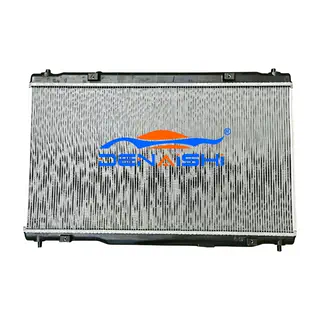
DENAISHI lists a radiator specifically for the Honda JADE FR2 17-MT and identifies the product with OEM reference 19010-5ZX H01. Buyers should still verify the reference and application against their actual vehicle before ordering, especially when replacing a radiator in a vehicle that has previously received aftermarket modifications.
Installation and Inspection Considerations
A high-quality radiator can only perform correctly when the surrounding cooling system is installed and maintained properly. Replacing the radiator is therefore a good opportunity to inspect related components rather than treating the radiator as an isolated part.
- Inspect upper and lower coolant hoses for cracking, swelling or excessive softness.
- Check hose clamps and connection points for secure installation.
- Inspect the cooling fan and confirm that airflow is unobstructed.
- Check the radiator mounting area for damaged brackets or excessive vibration.
- Use the appropriate coolant recommended for the vehicle and cooling-system requirements.
- Remove trapped air from the cooling system according to the vehicle's service procedure.
- After installation, inspect the system for leaks before returning the vehicle to normal service.
The cooling system can operate under pressure and at high temperature. Never open a hot cooling system. Allow the engine and coolant to cool sufficiently before removing a radiator cap or disconnecting coolant lines.
How to Extend Radiator Service Life
Even a well-built radiator depends on proper maintenance. Simple inspection habits can help detect cooling-system problems before they become severe.
Keep the External Core Clean
The radiator needs airflow to transfer heat. Dust, leaves, insects and road debris can accumulate between the fins and reduce airflow. During routine maintenance, visually inspect the radiator and clean the external surface using an appropriate method that does not damage the delicate fins.
Monitor Coolant Condition
Coolant does more than carry heat. It also provides protection against corrosion and freezing when the correct formulation is used. Follow the vehicle manufacturer's recommendations for coolant type, concentration and replacement intervals.
Do Not Ignore Small Leaks
A small leak may appear manageable, but coolant loss can become worse as temperature and system pressure change. Early diagnosis is generally safer than continuing to operate the vehicle while repeatedly adding coolant.
Inspect After Heavy Use
If the vehicle regularly operates in high temperatures, heavy traffic or demanding conditions, periodic inspection of the radiator and cooling system is especially valuable.
Common Radiator Replacement Mistakes to Avoid
Choosing Only by Price
A low purchase price does not necessarily represent the lowest total cost. A poorly matched radiator may create installation delays, premature leakage or repeated replacement expenses.
Ignoring Exact Fitment
A radiator may look almost identical to the original while having different mounting points or connection positions. Small dimensional differences can create significant installation problems.
Replacing the Radiator Without Finding the Root Cause
Overheating is not always caused by the radiator. A faulty thermostat, cooling fan, water pump, blocked passage, damaged hose or other cooling-system problem can produce similar symptoms. Diagnosing the complete system helps prevent unnecessary parts replacement.
Reusing Contaminated Coolant
When replacing a radiator, the condition of the existing coolant should be evaluated. Contaminated or degraded coolant can undermine the performance of a new cooling component.
Failing to Check for Air After Installation
Air trapped in the cooling system can interfere with coolant circulation and temperature control. The appropriate bleeding or filling procedure should therefore be followed after radiator installation.
A Practical Buying Checklist for Honda JADE FR2 17-MT
For repair shops, distributors and individual vehicle owners, the following checklist can make radiator sourcing more efficient:
- Confirm the exact vehicle model and application.
- Verify the transmission and configuration details when applicable.
- Compare the radiator's physical dimensions with the original unit.
- Check mounting brackets and connection locations.
- Verify the available OEM or reference number.
- Ask about core and material construction when technical information is important.
- Confirm packaging and shipping protection for international orders.
- Request application confirmation when the vehicle identification is uncertain.
- Inspect the radiator before installation.
- Test the complete cooling system after installation.
For professional buyers, consistency is also important. A supplier capable of supporting multiple vehicle applications can simplify sourcing, reduce communication time and make repeat purchasing easier.
Guangzhou Denaishi Auto Parts Co., Ltd. provides automotive heat-exchange products including radiators, condensers, intercoolers, transmission radiators and evaporator cores. Its product range includes Honda automotive radiators, making it a practical supplier to consider when sourcing replacement cooling-system components for aftermarket applications.
When purchasing a radiator for Honda JADE FR2 17-MT, the best supplier relationship is not simply about obtaining a component at a competitive price. Clear application information, dependable product consistency, technical communication and responsive after-sales support can all contribute to a smoother replacement process.
Frequently Asked Questions
The radiator transfers heat from engine coolant to the surrounding air, helping maintain an appropriate engine operating temperature.
Common warning signs include coolant leakage, repeated overheating, visible corrosion, damaged fins, unexplained coolant loss and restricted coolant flow. Because similar symptoms can come from other cooling components, proper diagnosis is recommended.
A properly matched replacement should be designed around the applicable vehicle configuration and mounting requirements. Always verify dimensions, connection locations and part references before installation.
The product information identifies OEM reference 19010-5ZX H01. Buyers should compare this reference with their own vehicle or existing component before ordering.
Yes. Dirt and debris on the external fins can restrict airflow and reduce heat transfer. However, overheating can have multiple causes, so the complete cooling system should be inspected.
Yes. It is sensible to inspect hoses, clamps, fan operation, coolant condition, mounting points and other related components while the radiator is being replaced.
Distributors should confirm vehicle application, part references, dimensions, product consistency, packaging, production capacity, delivery arrangements and technical support requirements.
Buyers can contact a professional automotive heat-exchange supplier with the vehicle model, existing radiator information and available part reference. Providing accurate application information helps the supplier confirm compatibility more efficiently.
Reliable Cooling Starts With the Right Radiator
Choosing a radiator for Honda JADE FR2 17-MT is ultimately about more than finding a component that physically resembles the original. The radiator needs to work with the vehicle's cooling system, provide dependable heat transfer, maintain secure coolant containment and fit correctly within the original installation environment.
Paying attention to application details, construction quality, dimensions, connections and supplier support can significantly reduce the risk of purchasing the wrong replacement. At the same time, proper coolant maintenance, airflow management and complete cooling-system inspection help the replacement radiator deliver dependable performance over its service life.
Looking for a dependable radiator for Honda JADE FR2 17-MT or other automotive heat-exchange components? Guangzhou Denaishi Auto Parts Co., Ltd. can support your sourcing needs with automotive radiator and heat-exchange product solutions.
Share your vehicle details, part reference and application requirements with the team to confirm the suitable product for your project. For product information, wholesale sourcing or application assistance, contact us today and take the next step toward a more reliable cooling solution.
Product compatibility should always be confirmed against the vehicle's actual configuration and applicable part references before purchase or installation.